
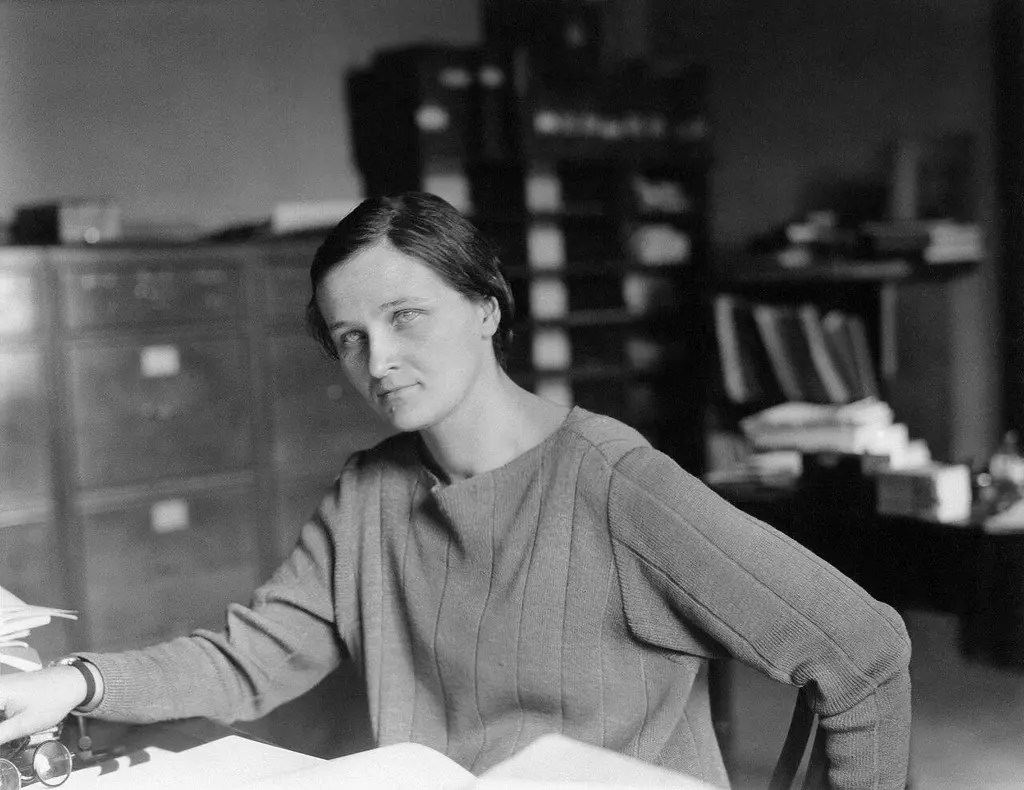
In 1925, 24-year-old graduate student Cecilia Payne calculated that the Sun and other stars were composed overwhelmingly of hydrogen and helium—a result so contrary to accepted astronomy that senior astronomer Henry Norris Russell called it “clearly impossible,”....
By Deep Field · Edited by Lachlan Brown
https://spacedaily.com/t-cecilia-payne-russell-hydrogen-helium-companion/
Stellar atmospheres at PG: https://www.gutenberg.org/ebooks/73996
Comments (1)
Sign in to comment
@gutenberg_org
Reminds me of Henrietta Swan Leavitt, a Harvard astronomer and 'human computer' ... who, in the early 1900s, discovered how to measure vast astronomical distances. Not many years afterwards, those distances forced the recognition that we live in 'an island universe' (the Milky Way). Edwin Hubble often declared that she deserved the Nobel Prize for her work.