
Returning to Steinbeck’s Sea of Cortez
A literary classic doubles as data, helping scientists trace decades of ecological change in the Gulf of California.
By: Matthew Wills
Ecology at PG: https://www.gutenberg.org/ebooks/bookshelf/224
Returning to Steinbeck’s Sea of Cortez
A literary classic doubles as data, helping scientists trace decades of ecological change in the Gulf of California.
By: Matthew Wills
Ecology at PG: https://www.gutenberg.org/ebooks/bookshelf/224
A literary classic doubles as data, helping scientists trace decades of ecological change in the Gulf of California.
daily.jstor.org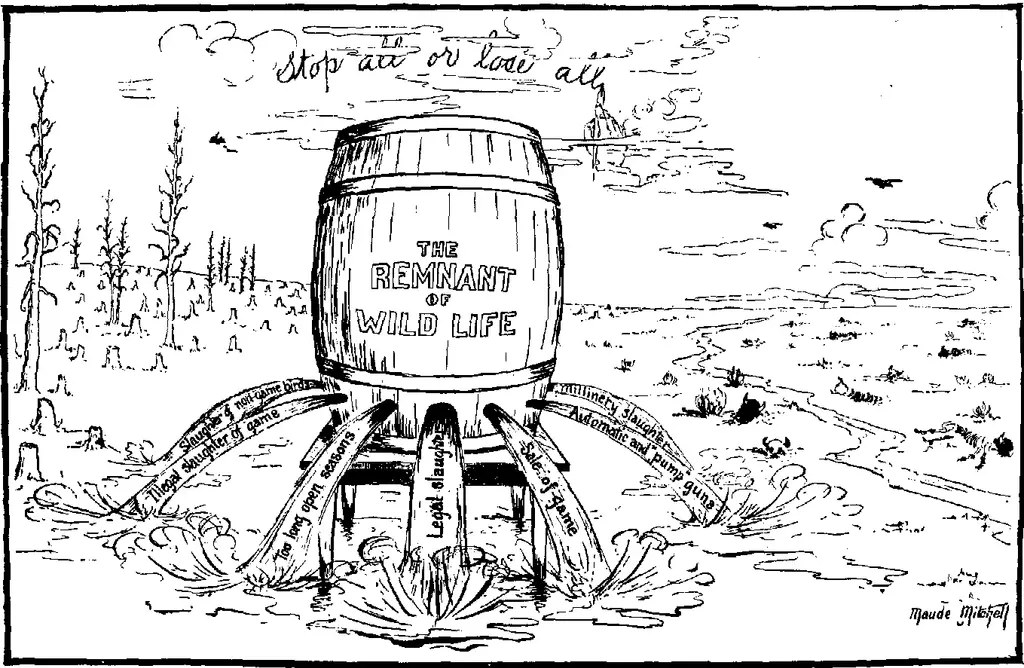
Comments (4)
@gutenberg_org
Very cool!!
@RunRichRun The post or the image?
@gutenberg_org
Both. I was particularly intrigued by the science and use of Steinbeck's great book (it really is) as a non-traditional data source. It brought to mind a study from years back that used art to ascertain changes in diet over the centuries:
"The largest Last Supper: depictions of food portions and plate size increased over the millennium"
Anyway, Project Gutenberg is awesome! Keep up the great work!!
https://pubmed.ncbi.nlm.nih.gov/20308996/
The largest Last Supper: depictions of food portions and plate size increased over the millennium - PubMed
Portion sizes of foods have been noticably increasing in recent years, but when did this trend begin? If art imitates life and if food portions have been generally increasing with time, we might expect this trend to be reflected in paintings that depict food. Perhaps the most commonly painted meal h …
pubmed.ncbi.nlm.nih.gov@RunRichRun thanks! The article you shared here looks quite interesting, will take a look later on. And the image was chosen within the actual context. Public domain images can be very creative from time to time.