
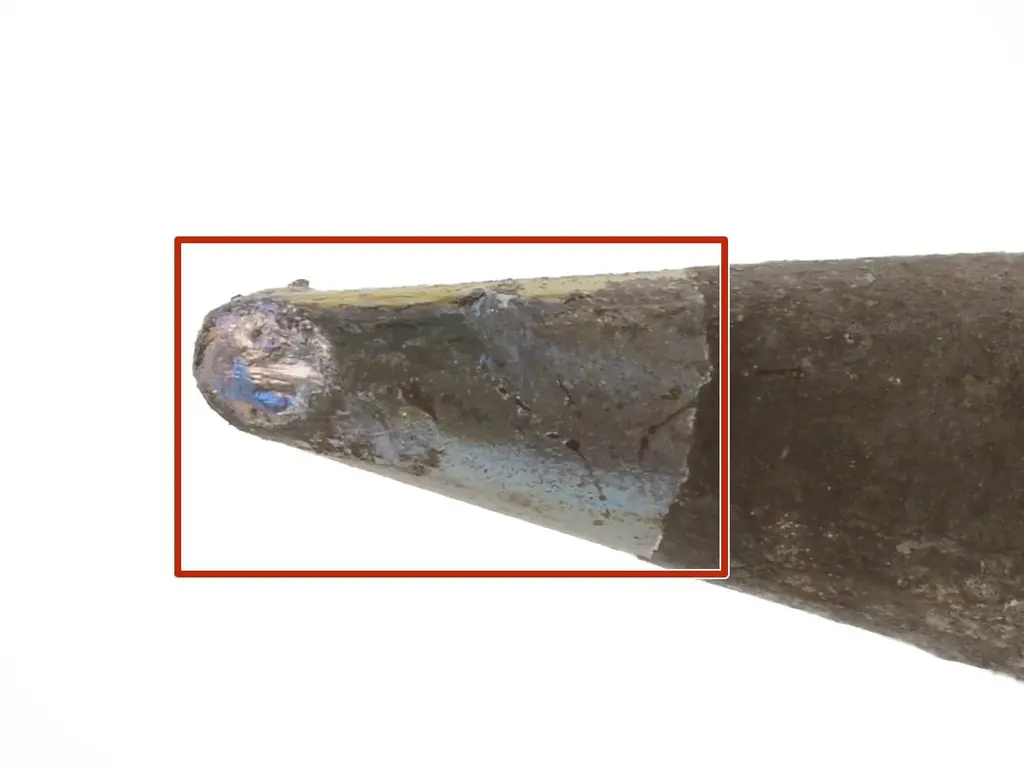
Struggling to get solder to flow? Before you blame your iron, check the tip. A dirty or oxidized tip can't transfer heat properly, which is the #1 reason beginners think their iron is "broken."
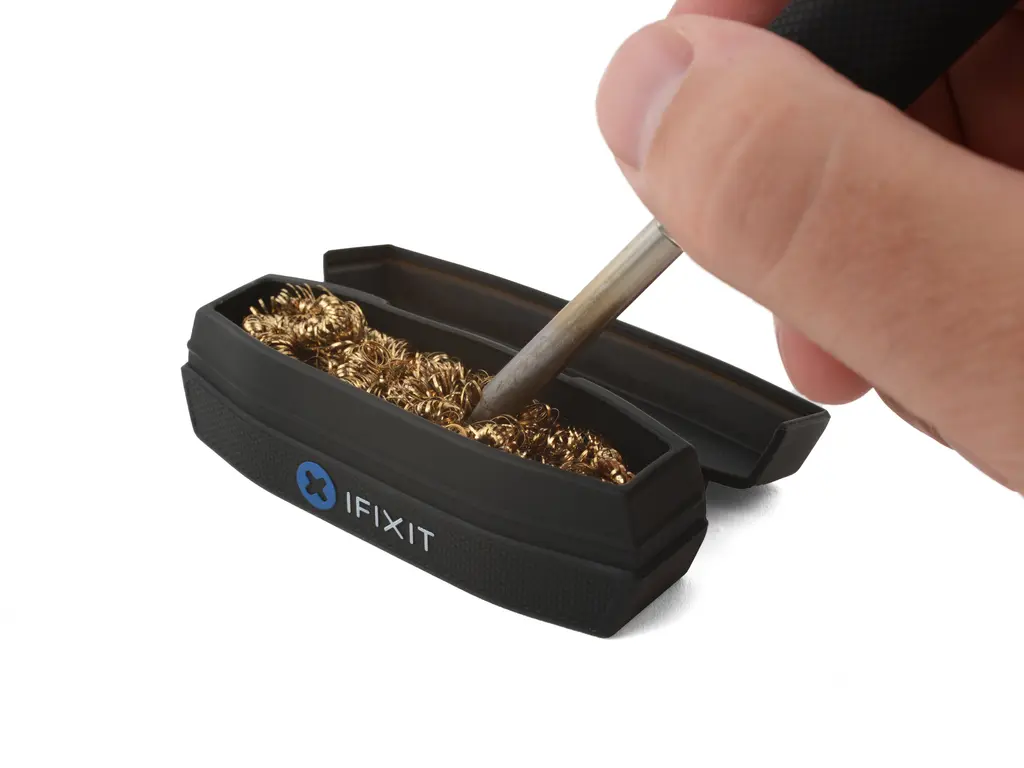
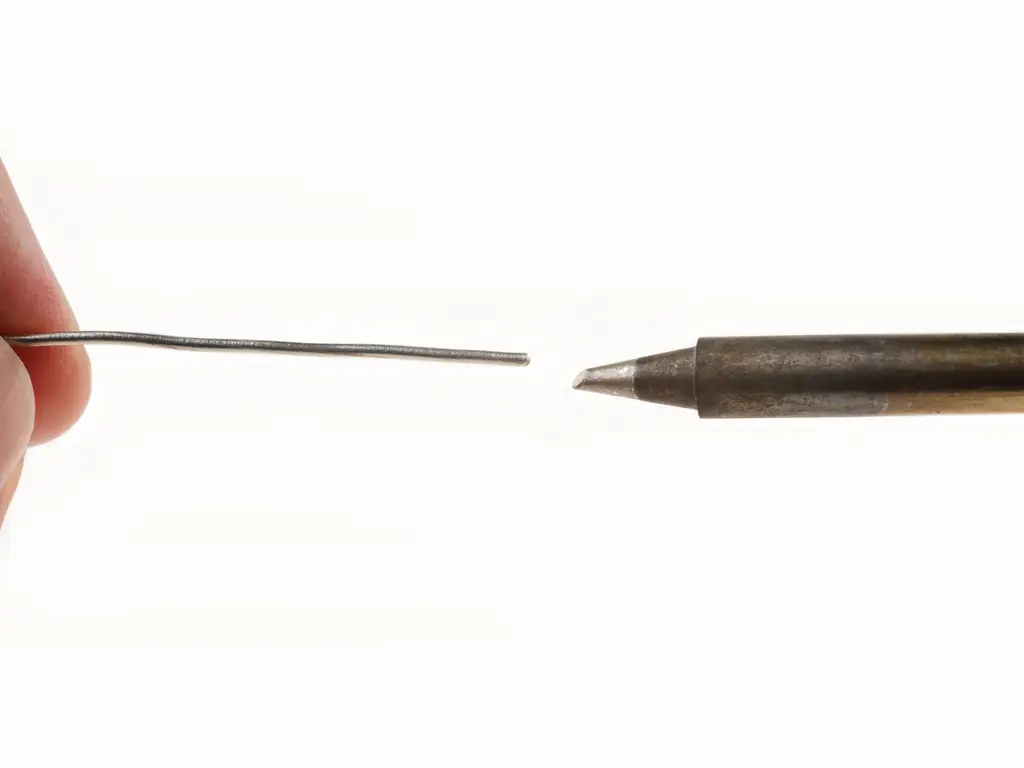
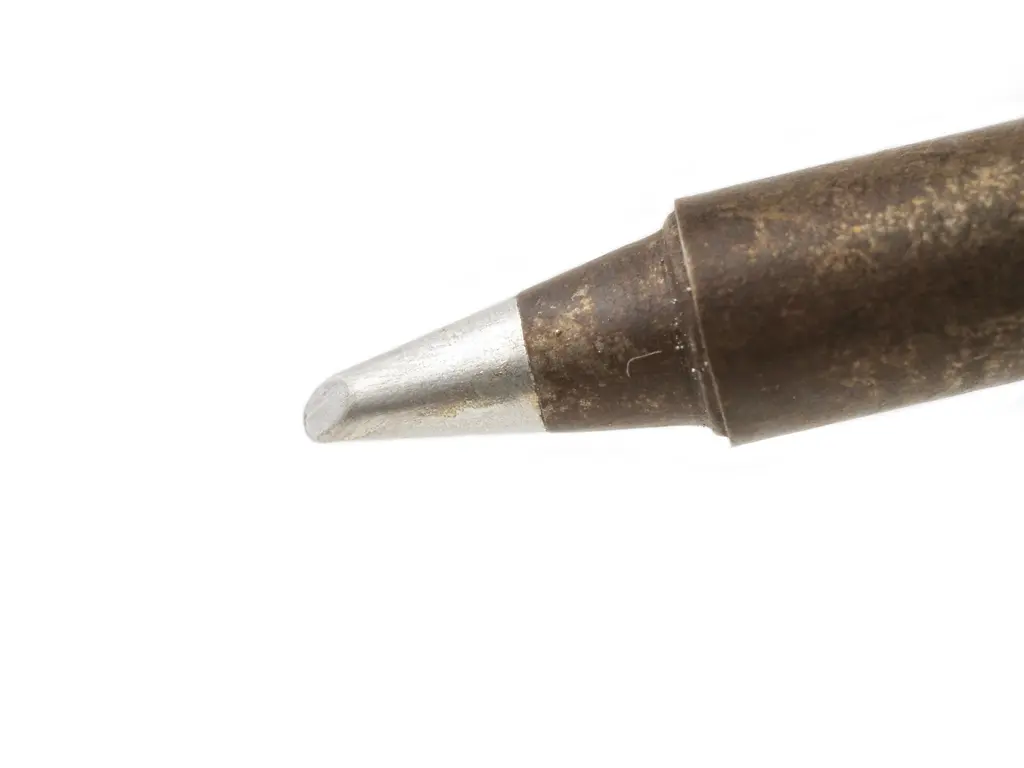
The fix is quick: keep the tip clean with brass wool or a damp sponge, and keep it tinned with a thin layer of fresh solder. Do it when you start a job and again before you store the iron, and your tips will last dramatically longer.
Full step-by-step guide here: https://www.ifixit.com/Guide/How+to+Clean+and+Tin+a+Soldering+Iron+Tip/175931
Comments (5)
Sign in to comment
@iFixit sometimes the tips are old and used and the plating has been damaged over the years/decades. the companies and/or products are no more, no more spare parts, but the iron is still good. Then what ? What about tipps on how to "repair" the "electro plating" of the tip ? #repair #electroplating
@iFixit I used to wipe the tip on my overalls leg, until I went somewhere hot and wore shorts....
@iFixit News I can use!
@iFixit The #2 reason is not enough flux, particularly when repairing a poor or damaged joint or desoldering.
The soldering equation is: solder + flux + heat = melted solder.
For new joints, lead-free solder typically has rosin flux inside (flux-core solder), so you get solder and flux at the same time. The flux burns off (that's the smoke), leaving pure—and then hardened—solder.
Which means the solder in an existing joint doesn't have flux anymore, so you need to add flux. Then it'll melt.
@iFixit just the tip, you say. Where have I heard that?